
Port of Lae: A Shipper’s Guide to PNG’s Main Cargo Gateway
Lae handles more of PNG’s trade than any other port and feeds the Highlands, the Markham Valley and much of the north coast. This guide covers how the port works, what happens when your cargo arrives, and how to plan the move inland.
In this guide
- Lae is PNG’s busiest port, handling around half of the throughput across the country’s declared ports.
- International containers are handled at the South Pacific International Container Terminal (SPICT) in the Lae Tidal Basin.
- Congestion has been a recurring issue, so lodge customs entries early and line up trucking before the vessel arrives.
- Lae’s real value is its road access to the Highlands, the Markham Valley and Madang.
Why Lae matters
Lae is the capital of Morobe Province, PNG’s second-largest city and the country’s industrial centre. Its port handles around half of the throughput across PNG’s declared ports and more than 60% of the international and coastal trade passing through PNG Ports Corporation’s ports.
The reason is geography. Lae sits at the start of the Highlands Highway, the road that supplies the Highlands provinces, where about 40% of PNG’s population lives, along with many of the country’s mines and gas projects. Trade flows both ways: around half of PNG’s exports and about 90% of its coffee exports are shipped through Lae.
Because so much of the country’s trade depends on it, delays at Lae have a knock-on effect on other ports and on supply chains across the Highlands.
How the port is laid out
The Port of Lae has two main areas: the older main wharf and the Lae Tidal Basin near the mouth of the Markham River.
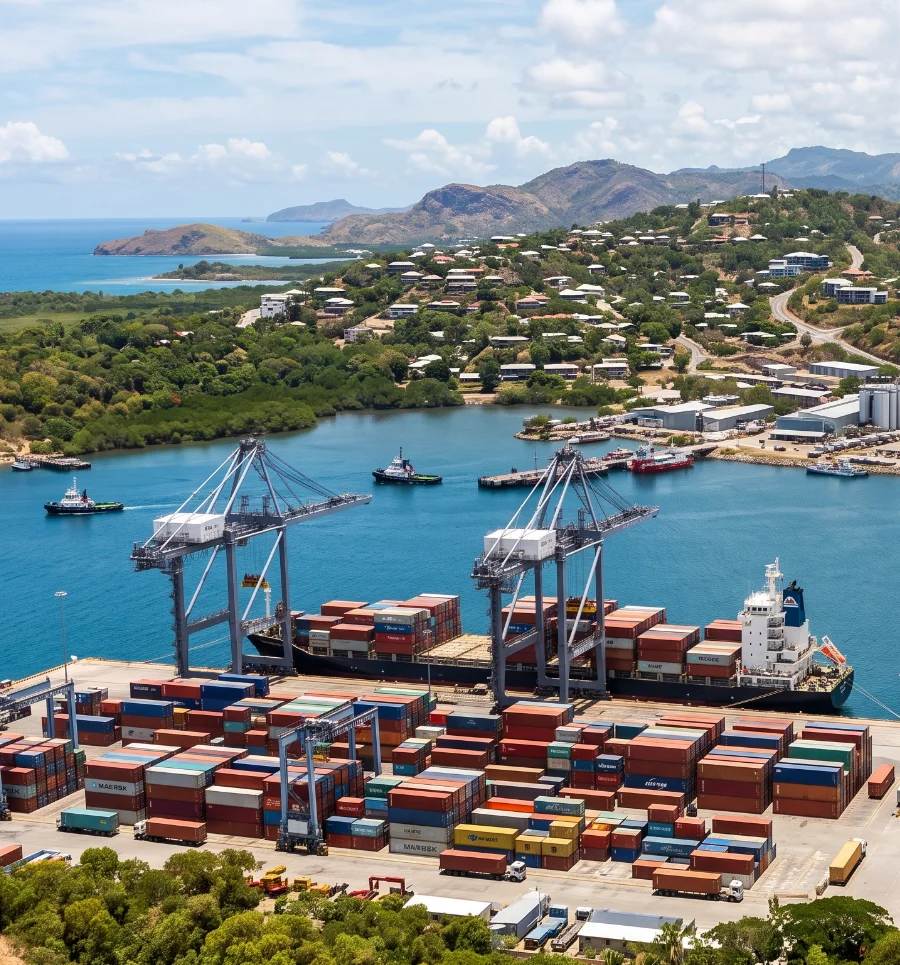
International container traffic is handled at the South Pacific International Container Terminal (SPICT) in the Tidal Basin. The terminal covers more than 11 hectares and is operated by ICTSI under a 25-year concession signed with PNG Ports Corporation in 2017. It has two post-Panamax ship-to-shore cranes, the largest port cranes in PNG, capable of working vessels of up to around 6,000 TEU. The Tidal Basin has also been expanded with additional container berths.
The main wharf continues to handle a mix of vessel types. Pilotage is compulsory in Lae’s port waters.
Who does what at the port
- PNG Ports Corporation is the port authority, responsible for berthing, pilotage, wharfage and the wider port.
- SPICT operates the international container terminal, handling discharge, storage and delivery of containers.
- PNG Customs Service assesses import entries, collects duties and taxes, and may inspect cargo.
- NAQIA handles biosecurity inspections and permits.
- Shipping lines and their agents issue delivery orders and manage container release and returns.
- Customs brokers and transport operators handle clearance on your behalf and move the cargo out of the port.
What happens when your cargo arrives
- Pre-arrival entryYour licensed customs broker lodges the import entry, which can be done up to five working days before the vessel arrives.
- DischargeThe container is unloaded at the terminal and held under customs control.
- Checks and inspectionCustoms reviews the entry and documents, and Customs or NAQIA may select the cargo for inspection.
- PaymentDuties, GST and any port, terminal and shipping line charges are paid.
- ReleaseWith customs release and a delivery order from the shipping line, the container can be collected.
- ReturnAfter unpacking, the empty container is returned to the nominated depot within the free time.
Cargo that isn’t cleared and collected can incur storage charges, and goods left uncleared for long enough can eventually be auctioned by Customs. Keep the process moving.
Avoiding delays at Lae
Congestion at Lae has been a recurring problem as vessel sizes and container volumes have grown. You can’t control the port, but you can control how ready you are:
- lodge the customs entry before the vessel arrives;
- make sure the invoice, packing list and bill of lading match exactly;
- confirm any NAQIA permits are in place before the goods are shipped;
- arrange funds for duties and charges in advance;
- book trucks or warehouse space before arrival, not after release.
Charges to expect at Lae
A Lae import attracts several layers of charges, often from different parties. Budget for:
- terminal handling charges from the container terminal;
- wharfage and other port charges levied by PNG Ports Corporation, whose regulated tariffs are capped by the Independent Consumer and Competition Commission;
- delivery order and documentation fees from the shipping line or its agent;
- customs brokerage, plus import duty, excise where applicable, and GST;
- storage if the container isn’t collected within the free period;
- container detention if the empty isn’t returned on time;
- trucking to your premises or site.
Ask your forwarder to set these out line by line in the quote, and to state which are estimates. Destination charges are where most surprises on PNG shipments come from.
Go deeper
Exporting through Lae
Lae is also PNG’s leading export port. Coffee and other agricultural produce from the Highlands and Morobe come down the highway to be shipped out. For importers, that export flow is useful: trucks heading down from the Highlands are looking for loads, and shipping lines need containers positioned in Lae, which supports the trucking and container networks that serve inbound cargo.
Getting cargo out of Lae
Most cargo leaves Lae by road. The Highlands Highway climbs from the Markham Valley into the Highlands, and road links also connect Lae with Madang. Lae is also the main hub for coastal containers heading to other PNG ports.
For urgent cargo, Nadzab airport, outside the city, is a declared international port of entry and connects to domestic destinations across the country.
Frequently asked questions
Who operates the container terminal in Lae?
The South Pacific International Container Terminal is operated by ICTSI under a 25-year concession with PNG Ports Corporation.
How big are the ships that can call at Lae?
SPICT’s post-Panamax cranes can work vessels of up to around 6,000 TEU, although most services to PNG use smaller ships.
Can I lodge my customs entry before the ship arrives?
Yes. A licensed customs broker can lodge the import entry up to five working days before the goods arrive.
Is there an airport near Lae?
Yes. Nadzab airport, outside the city, is a declared international port of entry and serves domestic routes.
More on ports and inland logistics
Sources

Philip Thomas
Philip is the lead author and editor at Phantom8. He writes practical guides to shipping freight into Papua New Guinea, with a focus on choosing the right port, clearing customs and planning the inland leg.
General information only. This guide is general in nature and isn’t legal, customs or logistics advice for your specific shipment. Port operations, road conditions, schedules and charges change, so confirm the details with your freight forwarder, transport operator or the relevant authority before you ship.