
About Phantom8
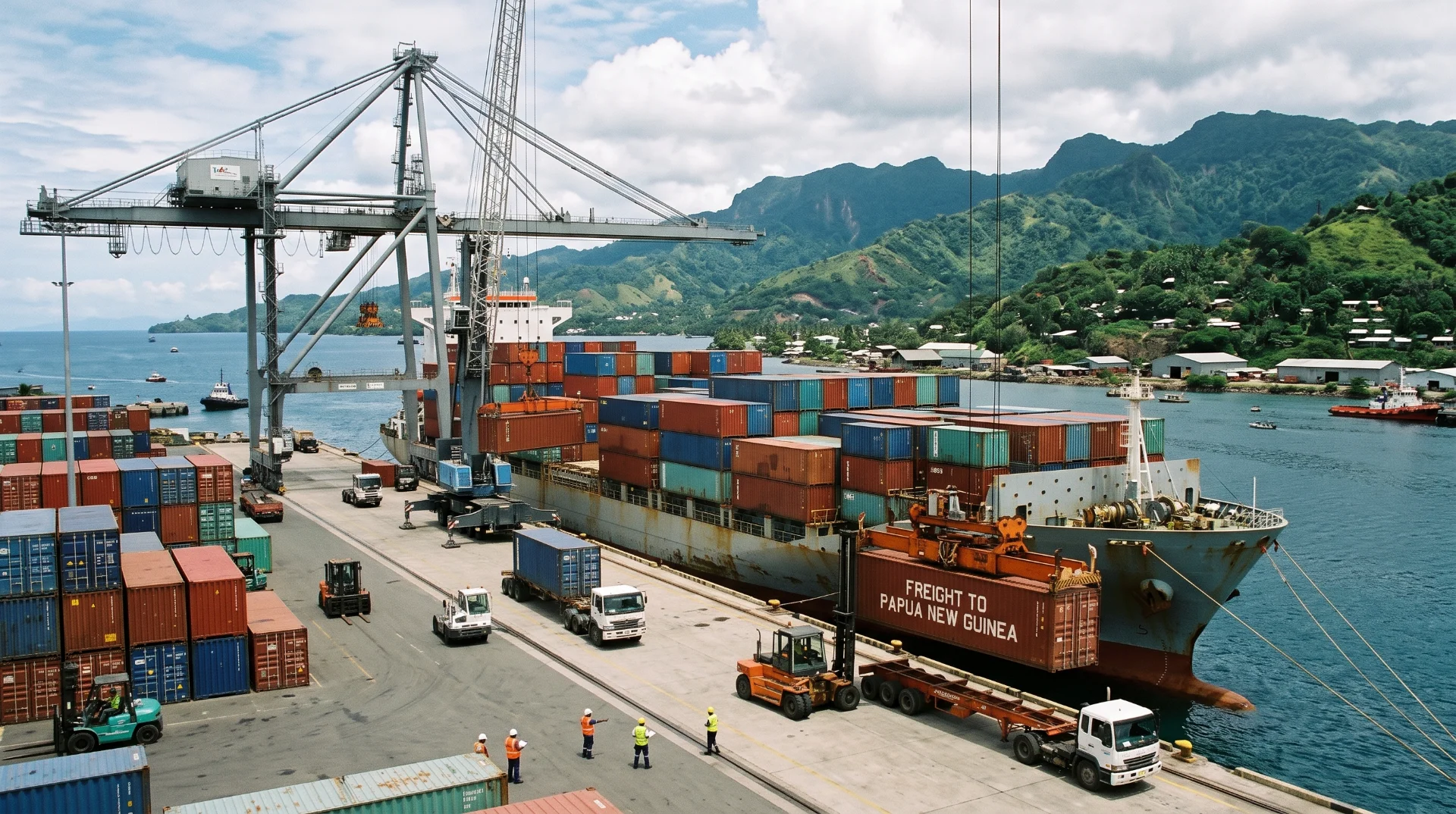
Phantom8 is an independent guide to shipping freight to Papua New Guinea. We explain how cargo moves from Australia and Asia into PNG, and on to where it’s needed, in plain English.
Why Phantom8 exists
Shipping to PNG is rarely as simple as booking a container. Importers have to juggle customs paperwork, biosecurity inspections, a choice between two very different main ports, and an inland journey that can be harder than the ocean leg.
Much of the information online is either written for other markets or wrapped in a sales pitch. Phantom8 was set up to close that gap: one place where importers, project teams and small businesses can understand how freight to PNG actually works before they commit to a shipment, a supplier or a forwarder.
Our guides follow cargo the whole way, from the port of origin to the final destination, because in PNG the first port of call is often only the halfway point.
What we cover
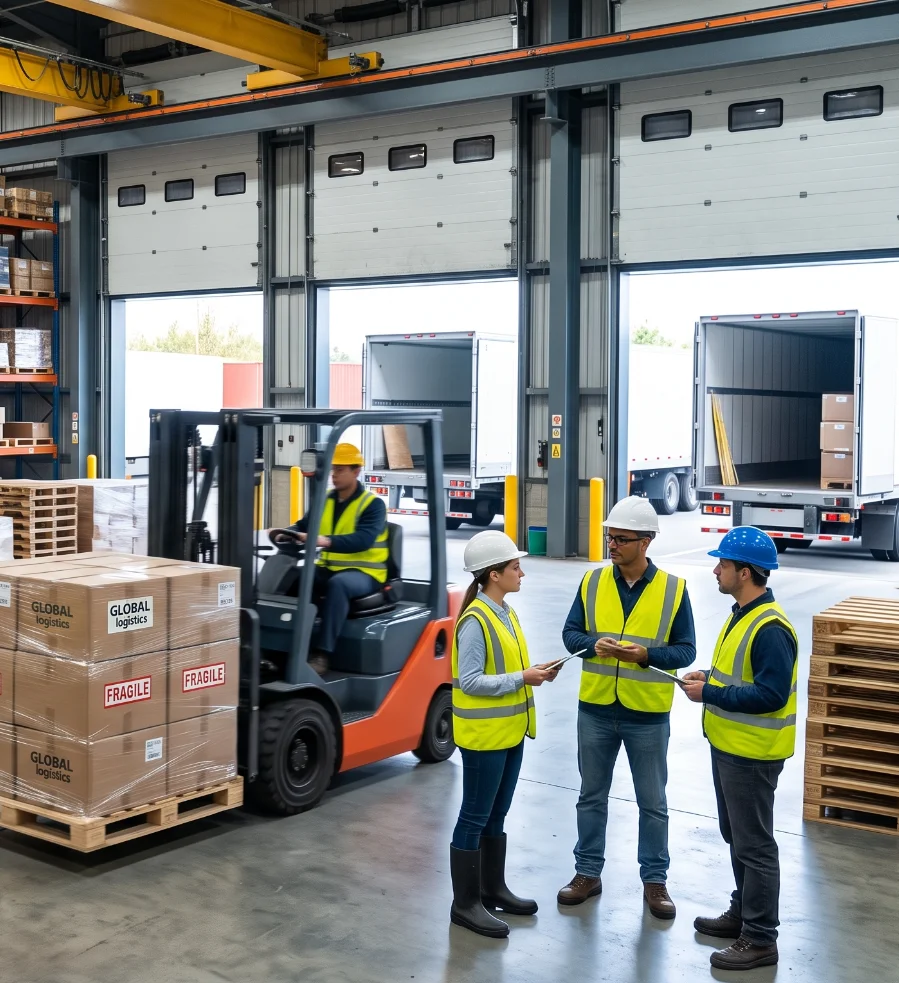
Six areas that, together, take a shipment from the first booking to final delivery.
Customs and biosecurity
The documents PNG requires, how clearance works, duties and GST, NAQIA quarantine rules and timber packaging standards.
Freight modes and costs
Sea freight and air freight, FCL and LCL, Incoterms, transit times and what goes into a freight quote.
Ports and inland logistics
Port Moresby and Lae, the Highlands Highway, coastal shipping and domestic air freight to remote sites.
Indonesia to PNG
Sea routes from Indonesian ports and the land crossing at Skouw–Wutung, between Jayapura and Vanimo.
Cargo protection
Packing for tropical conditions, dangerous goods, security risks and marine cargo insurance.
Industry supply chains
Logistics for mining and resources, construction, retail distribution and agriculture.
Who we write for
Our readers make or influence shipping decisions, and they need answers they can act on.
Importers and distributors
Businesses bringing goods into PNG regularly, who want fewer delays at the wharf and clearer landed costs.
Project and procurement teams
People moving equipment and materials to mine sites, construction projects and remote locations.
First-time shippers
Small businesses and organisations sending freight to PNG for the first time and trying to avoid costly mistakes.
Exporters in Australia and Asia
Suppliers shipping to PNG customers who need to understand what happens to their cargo after it leaves port.
How we work
- Official sources firstRegulatory guidance is checked against information from the PNG Customs Service, NAQIA, PNG Ports Corporation and relevant Australian Government agencies.
- Written around the whole routeWe cover the decisions that happen after arrival, not just the ocean or air leg.
- Reviewed and kept currentEach guide shows when it was last reviewed, and we update articles when rules, procedures or charges change.

Have a question or a correction?
We’d like to hear from you, whether it’s a rule that’s changed, a topic we haven’t covered or a guide that could be clearer.