
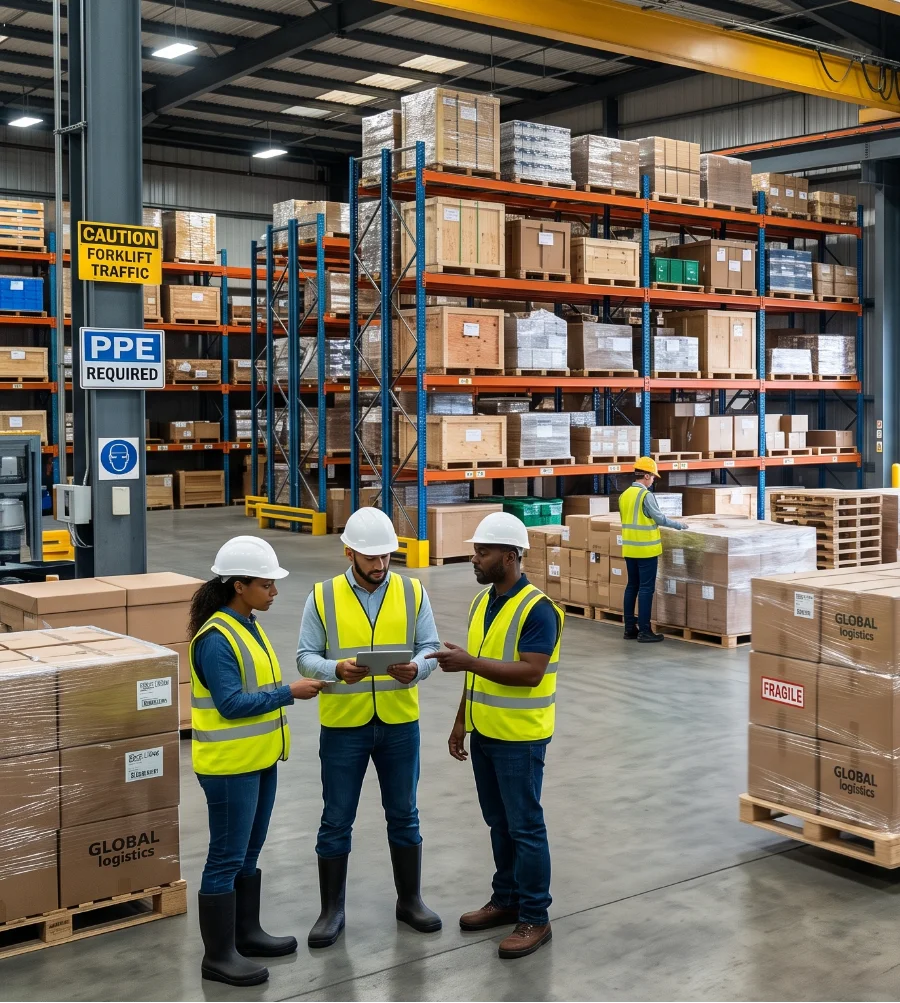
The Complete Guide to Shipping Freight to Papua New Guinea
How freight moves from Australia and Asia into PNG: shipping modes, ports, customs, costs and the inland leg most guides leave out.
Read the guide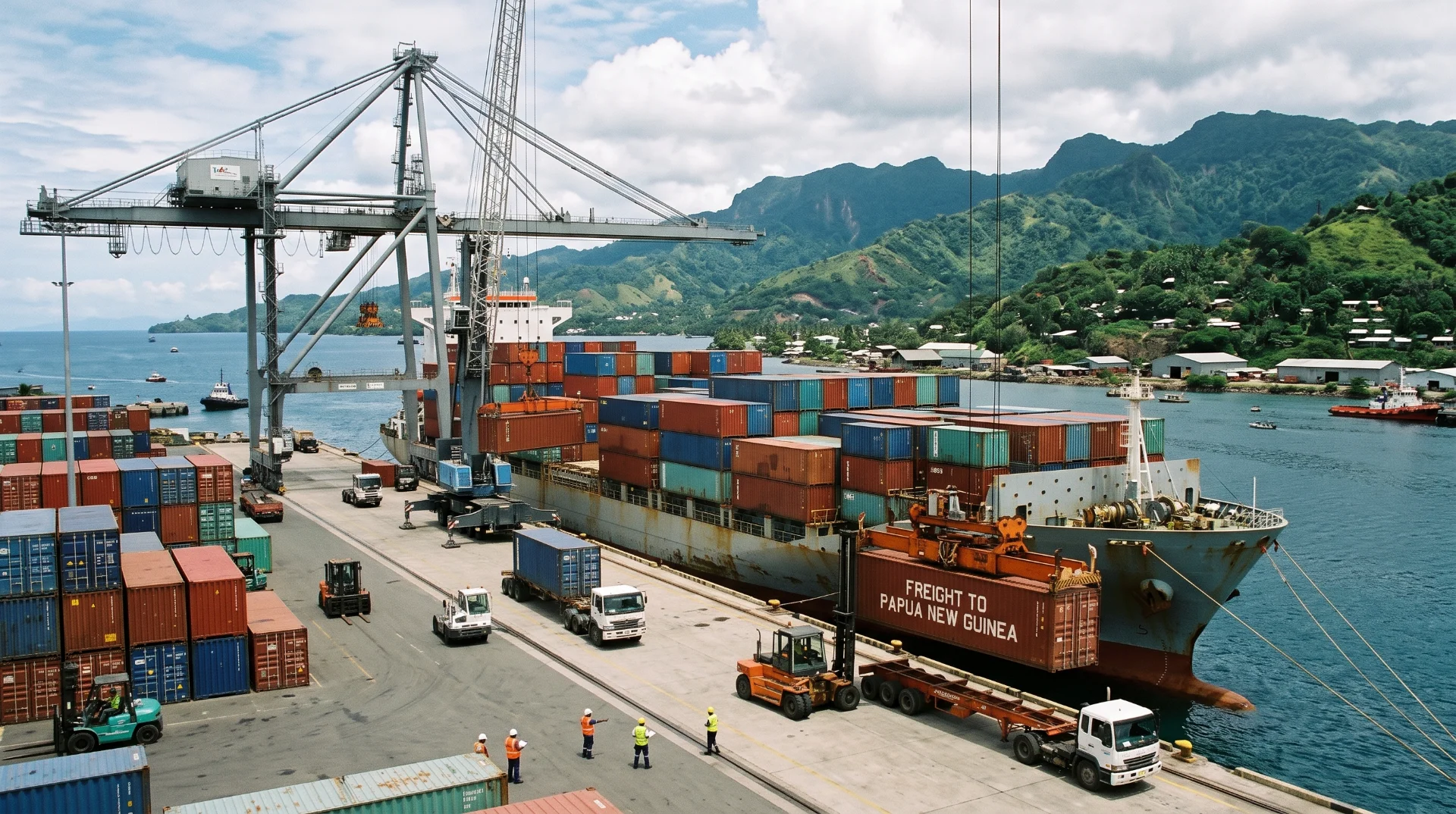

Lead author and editor, Phantom8
Philip writes practical, plain-English guides to shipping freight into Papua New Guinea, from booking space out of Australian and Asian ports to getting cargo across the wharf and up to site.
Philip Thomas is the lead author and editor at Phantom8. His work centres on one of the region's more demanding trade lanes: moving freight into PNG, then onward to where it's actually needed. That might be a retail warehouse in Port Moresby, a construction site in the Highlands or a remote operation that can only be reached by air.
He comes at the subject from the operational side. The questions he cares about are the ones that cost importers time and money: which port a shipment should land at, what PNG Customs and NAQIA will want to see on the paperwork, how long cargo is likely to wait before it's released, and what happens once a container leaves the terminal gate in Lae.
That focus shapes how he writes. Philip's guides follow cargo from origin to final destination rather than stopping at the first port of call. They're written for the people who make shipping decisions: importers, procurement teams, project managers and small business owners sending freight to PNG for the first time.
Where something is genuinely complicated, or changes often, he says so. Rather than offering false certainty, his guides explain the moving parts, point readers to the official source and flag what to confirm with a customs agent or freight forwarder before anything is booked.
His guides are organised around six areas that, together, cover a shipment to PNG from the first booking to final delivery.
Import documentation, the clearance process, duties and GST, NAQIA quarantine requirements and ISPM-15 rules for timber packaging.
FCL and LCL sea freight, air freight, Incoterms, transit times and the charges that make up a freight quote to PNG.
Port Moresby and Lae, trucking on the Highlands Highway, coastal shipping to island provinces and domestic air freight to remote sites.
Sea freight from Indonesian ports and the overland crossing at Skouw–Wutung, between Jayapura and Vanimo.
Packing for tropical transit, dangerous goods, security risks at ports and on the road, and marine cargo insurance.
Project cargo for mining, construction materials and machinery for the Highlands, FMCG distribution and agricultural equipment.
Most freight guides treat the destination port as the end of the journey. In Papua New Guinea, that assumption can be expensive.
Port Moresby, the capital, has no road connection to Lae or the Highlands, so a shipment that lands at the wrong port may need a second sea or air leg before it reaches its destination. Lae, the country's main cargo port, sits at the start of the Highlands Highway, and the road beyond it can be slowed by heavy rain, landslips and security concerns. Island provinces rely on coastal shipping, and some remote sites can only be reached by air.
In PNG, the port is rarely the finish line. The planning that matters most usually starts at the wharf gate.
That's why Philip's guides are built around the whole route. Choosing between Port Moresby and Lae, arranging inland transport and timing deliveries around conditions on the ground are treated as part of the shipment, not an afterthought.
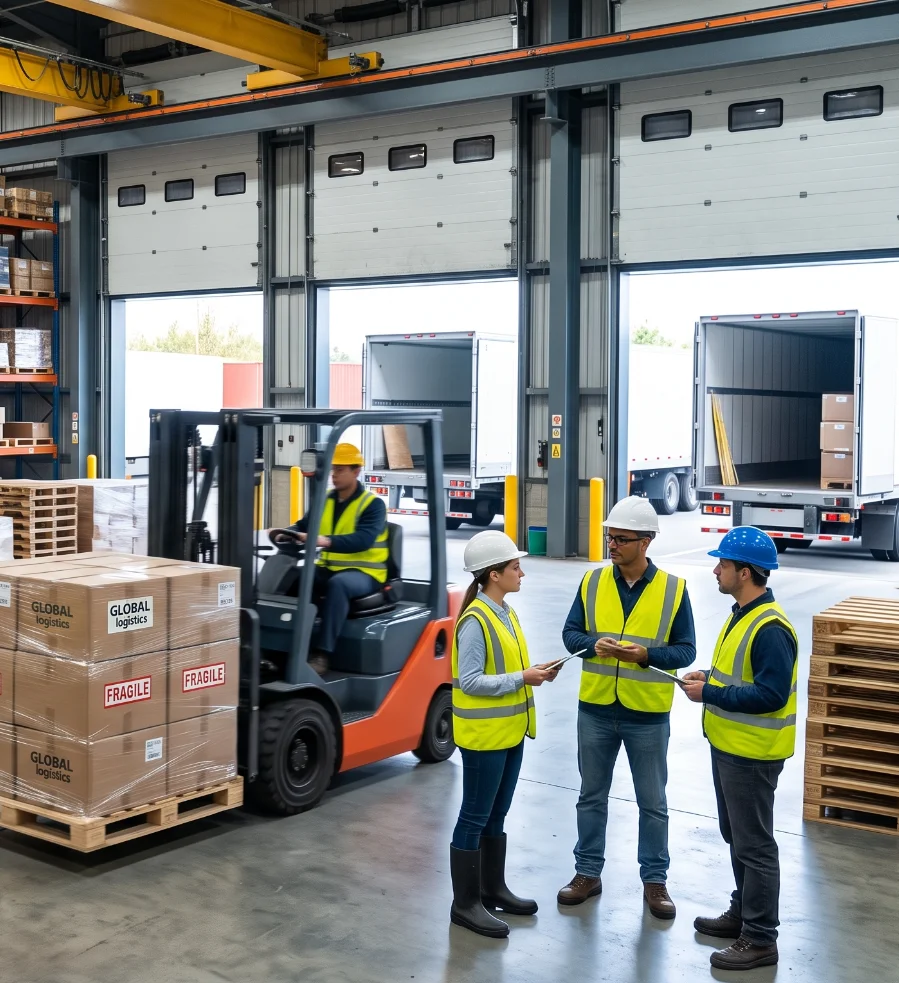
Freight rules in PNG can be technical, and getting them wrong is costly. These are the standards behind every guide he publishes.
Guidance on regulations is checked against information published by the PNG Customs Service, NAQIA, PNG Ports Corporation and the relevant Australian Government agencies, with links wherever readers need to confirm the detail.
Guides explain the practical steps, the usual sticking points and the decisions importers face, not just the rules as they appear on paper.
Each guide shows when it was last reviewed, and articles are revised when regulations, procedures or charges change.
Phantom8 is an information resource, not a freight company. If an article mentions a provider Phantom8 has a commercial relationship with, that relationship is disclosed on the page.
New to shipping into PNG? These guides cover the decisions that matter most before your first shipment leaves port.
How freight moves from Australia and Asia into PNG: shipping modes, ports, customs, costs and the inland leg most guides leave out.
Read the guideWhy your cargo's final destination should decide which port it lands at.
What happens between arrival and release, and where shipments most often get held up.
Planning road freight from Lae to the Highlands, including timing, road conditions and security.
Shipping options from Indonesian ports, plus the overland route through Skouw–Wutung.
General information only. Content on Phantom8 is general in nature and isn't legal, customs, tax or financial advice. Requirements and charges in Papua New Guinea can change, so always confirm the details with the relevant authority, a licensed customs agent or your freight forwarder before you ship.
If a rule, charge or procedure has changed, Philip wants to know. Send corrections, questions or topic suggestions through the contact page.