
PNG Customs, Biosecurity and Import Requirements: What Shippers Need to Know
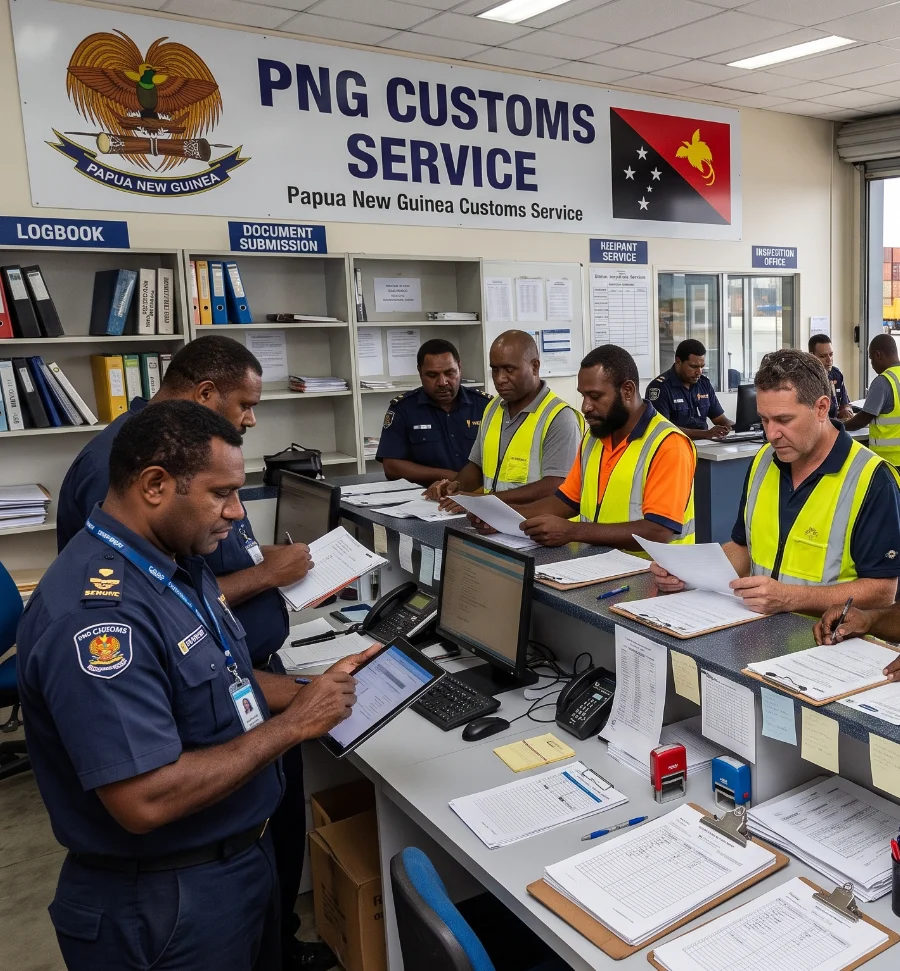
Every shipment into PNG has to satisfy Customs and biosecurity officials. This guide explains how the system works, what it costs and how to keep your cargo moving, with links to detailed guides on each step.
In this guide
- Commercial imports are declared on an entry lodged by a licensed customs broker through ASYCUDA World.
- Duties and taxes are based on CIF value: import duty by tariff classification, excise on some goods, and 10% GST.
- Biosecurity PNG, which replaces NAQIA under the Biosecurity Bill passed in 2025, controls plant, animal and biological imports.
- Some goods are banned outright; others need a permit before they’re shipped.
- Accurate, consistent documents are the biggest single factor in fast clearance.
How PNG’s import controls fit together
Every commercial shipment into PNG has to satisfy two sets of officials. PNG Customs checks what the goods are, what they’re worth and what duties and taxes are owed. The biosecurity authority checks that the goods, their packaging and the container won’t bring pests or diseases into the country. A handful of other agencies control specific goods such as firearms, medicines and vehicles.
Getting through both checks quickly comes down to preparation: the right permits before shipping, accurate and consistent documents, and a licensed customs broker who lodges the entry before the cargo arrives.
This part of our complete guide to shipping freight to PNG covers each requirement in turn, with links to detailed guides.
Who’s who at the border
| Agency | What it controls |
|---|---|
| PNG Customs Service | Import declarations, valuation, classification, duties, excise, GST and prohibited goods |
| Biosecurity PNG (formerly NAQIA) | Import permits for plant, animal and biological products, inspections and treatments |
| Royal Papua New Guinea Constabulary | Permits for firearms, firearm parts and ammunition |
| National Department of Health | Imports of medicines, which only certified practitioners may import |
| Road Traffic Authority and MVIL | Inspection, registration and compulsory third-party insurance for imported vehicles |
In June 2025, Parliament passed the Biosecurity Bill, establishing Biosecurity PNG to replace the National Agriculture Quarantine and Inspection Authority (NAQIA). Many documents and permits still refer to NAQIA, so check which names and forms apply when you ship.
The documents you need
Every entry is built on the same core set of documents: a commercial invoice, a packing list, the bill of lading or air waybill, and information supporting the customs value. Depending on the goods, you may also need import permits, phytosanitary or health certificates, treatment certificates, a certificate of origin or dangerous goods declarations.
The details must match exactly across every document. Mismatched descriptions, quantities or values are one of the most common reasons entries are queried and cargo is held.
How customs clearance works
Commercial imports are declared on Customs Form 15, lodged electronically in the ASYCUDA World system by a licensed customs broker that the importer has authorised on Customs Form G26. The importer must also be registered with Customs using its Tax Identification Number.
The entry can be lodged up to five working days before the goods arrive. Customs checks classification, value and permits, may select the cargo for examination or X-ray, and issues a notice of assessment for duty, excise and GST. Once these are paid and biosecurity is satisfied, the goods are released. Goods left uncleared for 30 days can be sold at auction.
Biosecurity and quarantine
All imported goods, their packaging and the containers they travel in can be inspected for biosecurity risks. Animals and animal products, plants and plant products, and biological products need an import permit before they’re shipped, and the permit often requires certificates or treatments from the exporting country.
Common reasons for a biosecurity hold include soil on used machinery, untreated wood packaging, undeclared food and missing permits. Depending on the problem, goods can be treated at the importer’s expense, re-exported or destroyed.
Wood packaging and ISPM-15
Pallets, crates, dunnage and other solid wood packaging must comply with ISPM-15: debarked, treated by an approved method such as heat treatment, and marked with the IPPC stamp. Non-compliant packaging in PNG can attract extra quarantine charges, treatment or rejection. Packaging made entirely of processed wood, such as plywood, is generally exempt.
Prohibited and restricted goods
The Customs (Prohibited Imports) Regulation 1973 lists goods that are banned outright and goods that need a permit. Prohibited goods include objectionable material, counterfeit currency, illicit drugs, certain weapons, matches containing white or yellow phosphorus and non-biodegradable plastic shopping bags. Firearms, medicines and biosecurity-regulated goods all need permits or approvals.
Check the rules before you buy, not after you ship. Importing restricted goods without a permit can lead to seizure and prosecution.
Go deeper
Duties, excise and GST
Duties and taxes are calculated on the CIF value of the goods. Import duty depends on the tariff classification under PNG’s Customs Tariff, and many goods are duty-free: in 2022, the World Trade Organization reported a simple average applied tariff of 4.1%. Some goods, especially certain foods, attract much higher rates, and vehicles, alcohol, tobacco and fuel attract excise.
GST of 10% is charged on most commercial imports, calculated on the CIF value plus duty and any excise.
Vehicles and heavy machinery
Vehicles carry some of the highest costs at the border. Import excise on used vehicles ranges from 20% to 120% of the import value depending on engine size, with GST on top, and PNG Customs warns that total costs can often double the purchase price. Vehicles and machinery must also arrive free of soil and plant material, and must be inspected and registered before they can be driven.
Choosing and working with a customs broker
Because only licensed brokers can lodge entries, your broker is one of the most important partners in any PNG shipment. PNG Customs publishes a list of licensed brokers, and many freight forwarders either hold a licence themselves or work with a regular broker.
When choosing one, look for experience with your type of goods and port of entry, clear and itemised fees, good communication before the vessel arrives, and a willingness to explain classifications and valuation questions rather than just lodging the paperwork. Agree in writing who pays duties and charges, and who monitors the vessel’s arrival.
Personal effects and relocations
People moving to PNG for work, and returning residents, can import used household goods and personal effects under concessions in the customs regulations. Used items owned and used before the move may be cleared without duty, while new items, and goods in quantities beyond personal needs, are dutiable.
Removals are inspected by both Customs and biosecurity officers, and the owner typically needs to be in PNG to sign a declaration before clearance. Ship household goods separately from any commercial cargo, avoid vague descriptions such as “miscellaneous”, and clean outdoor items such as bikes, tools and garden furniture thoroughly. Vehicles are treated separately and attract excise and GST.
Common compliance mistakes
- Shipping regulated food, plant or animal products before the import permit is issued.
- Using untreated pallets or repaired packaging without a valid ISPM-15 mark.
- Under-declaring value, or invoices that don’t match payment records.
- Vague descriptions that make classification impossible.
- Leaving soil on used machinery, vehicles or outdoor equipment.
- Waiting until the vessel arrives to appoint a broker or lodge the entry.
- Assuming last year’s rules still apply, particularly for food and agricultural goods.
A checklist before you ship
- Register as an importer with PNG Customs and appoint a licensed customs broker.
- Confirm the tariff classification and estimate duty, excise and GST.
- Check whether the goods are prohibited or need a permit, and get permits before shipping.
- Make sure all wood packaging is ISPM-15 compliant, and that used equipment is clean.
- Check that the invoice, packing list and bill of lading match exactly.
- Lodge the import entry before the vessel arrives, and have funds ready for duties and charges.
- Keep all records for five years.
Frequently asked questions
Do I need a customs broker to import into PNG?
Yes. Import entries are lodged by a licensed customs broker that the importer authorises on Customs Form G26.
What taxes are paid on imports into PNG?
Import duty at the rate for the goods’ classification, excise on some goods, and 10% GST on most commercial imports, all based on CIF value.
Has NAQIA been replaced?
Parliament passed the Biosecurity Bill in 2025, establishing Biosecurity PNG to replace NAQIA. Check the current name, forms and fees with your broker during the transition.
Do wooden pallets need to be treated?
Yes. Solid wood packaging must meet ISPM-15 and carry the treatment mark.
What happens to goods that aren’t cleared?
They accrue storage charges, and goods left uncleared for 30 days can be sold at auction by Customs.
Official sources

Philip Thomas
Philip is the lead author and editor at Phantom8. He writes practical guides to shipping freight into Papua New Guinea, with a focus on choosing the right port, clearing customs and planning the inland leg.
General information only. This guide is general in nature and isn’t legal, customs or tax advice. Rules, rates and agency arrangements change, so confirm the details with PNG Customs, the biosecurity authority or a licensed customs broker before you ship.