
What Affects Freight Costs to PNG? A Breakdown for Importers
Two quotes for the same shipment to PNG can be very different, and both can be fair. Here’s what actually drives the cost of freight to PNG, the surcharges to watch for, and practical ways to keep the total down.
In this guide
- The ocean or air rate is only one part of the cost; origin, destination and inland charges often add up to more.
- Volume, weight, route, service type and timing all shape the base rate.
- Surcharges for fuel, currency, peak season and congestion can change from month to month.
- Compare quotes on a landed, door-to-door basis, not on the freight rate alone.
What’s in a freight quote
A full quote for freight to PNG usually has four parts:
- Origin charges: pick-up, export documentation, terminal handling at the origin port and any packing or consolidation.
- Main freight: the sea or air rate, plus surcharges.
- Destination charges: terminal handling, port charges, delivery order and documentation fees in PNG.
- Clearance and delivery: customs brokerage, duties and GST, biosecurity fees and delivery to your premises or site.
Quotes that cover only the first two parts can look much cheaper than they really are.
Go deeper
The main cost drivers
- Volume and weight: charged per container, per cubic metre or tonne for LCL, or per chargeable kilogram for air.
- Origin and route: direct services and busy lanes are usually cheaper per unit than routes that need transhipment.
- Destination port: rates and service options differ between Lae, Port Moresby and smaller ports.
- Equipment: refrigerated containers, flat racks and open tops cost more than standard containers.
- Cargo type: dangerous, oversized, heavy or high-value cargo attracts extra charges and handling requirements.
- Timing: rates rise in peak periods and when vessel space is tight.
- Trade imbalance: where more containers arrive than leave, carriers may need to reposition empties, which can be reflected in rates.
Surcharges to watch
Base rates are often accompanied by surcharges that change over time. Common ones include:
- bunker or fuel adjustment factors, which track fuel prices;
- low-sulphur fuel surcharges;
- currency adjustment factors, where rates and costs are in different currencies;
- peak season surcharges;
- congestion surcharges at busy ports;
- emergency surcharges when market conditions change suddenly.
Ask which surcharges are included, how long the quote is valid, and whether surcharges are fixed or applied at the rate on the sailing date.
PNG-specific cost factors
- Destination charges: PNG terminal and port charges can be substantial, particularly relative to small LCL shipments.
- The wrong port: landing cargo at Port Moresby when it’s needed in Lae adds a second sea or air leg.
- Inland transport: trucking up the Highlands Highway or coastal shipping to the islands can rival the ocean freight.
- Container detention: containers that travel inland can run past the free period.
- Security: high-value cargo may need secure transport or escorts.
- Currency: movements in the kina against the US and Australian dollars affect landed costs.
Practical ways to reduce costs
- Ship to the port that serves your final destination.
- Consolidate small orders into fuller containers.
- Plan ahead to avoid emergency air freight and peak season premiums.
- Pack efficiently to reduce volume and chargeable weight.
- Lodge customs entries early and collect promptly to avoid storage and detention.
- Ask about extended container free time for inland deliveries.
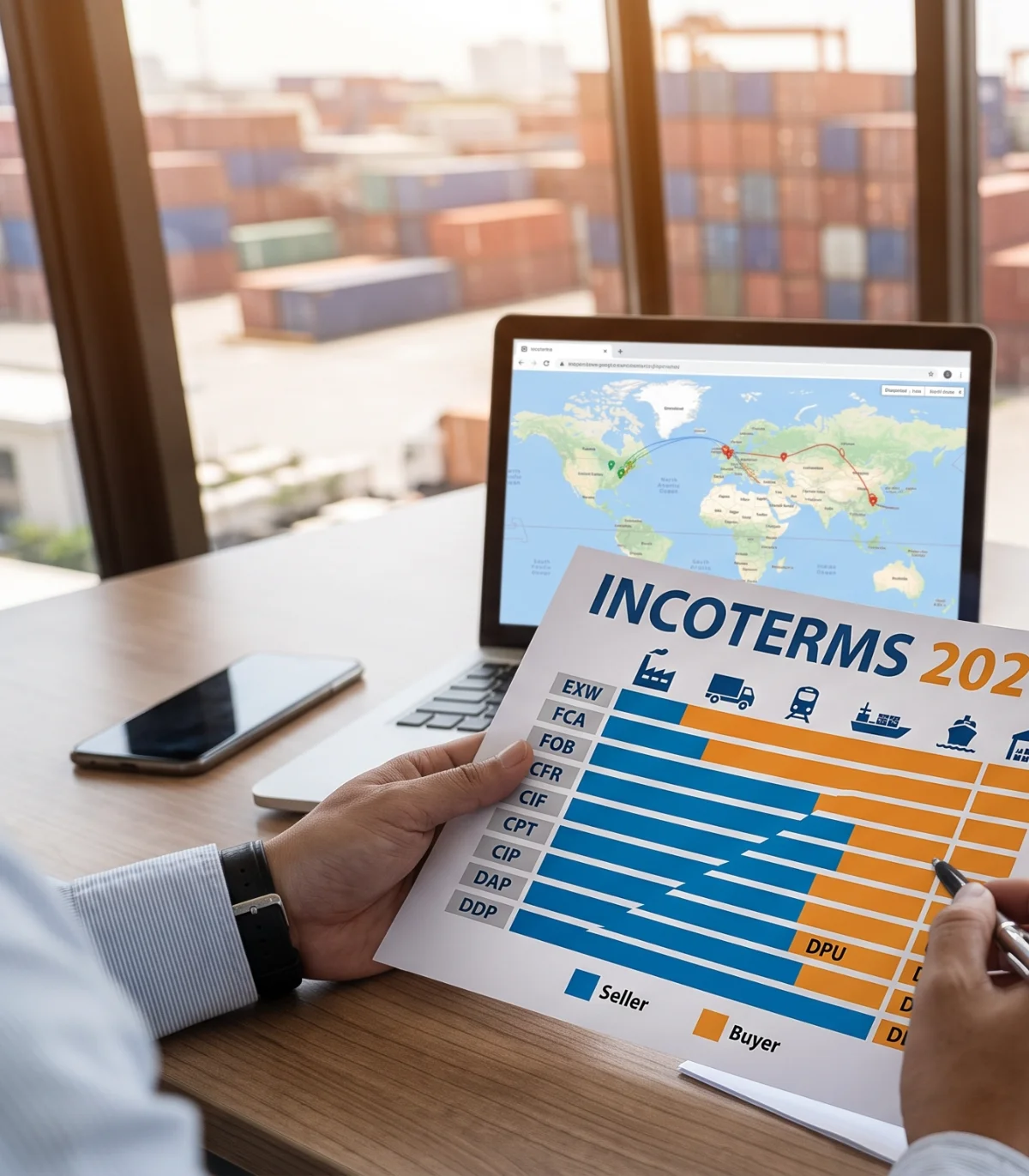
- Agree Incoterms that give you control of the parts of the chain you manage best.
Don’t leave out insurance
Marine cargo insurance is a small cost relative to the value of most shipments, but it’s easy to leave out of a comparison. Check whether a quote includes insurance, what level of cover it provides, and whether it extends to the inland leg. Under CIF, the seller only has to provide minimum cover, which may not be enough for valuable cargo.
How to compare quotes properly
Line up every quote on the same basis: same origin, same destination, same Incoterm, same equipment and the same scope from pick-up to delivery. Check what each excludes, how long it’s valid, and which charges are estimates. A quote that’s a little higher but includes destination charges and delivery is often the cheaper option once the invoices arrive.
Frequently asked questions
Why do freight quotes to PNG vary so much?
They often cover different scopes. Some include destination charges and delivery, others stop at the port. Surcharges and validity periods also differ.
What is a bunker adjustment factor?
A surcharge that adjusts the freight rate for changes in fuel costs.
Are destination charges included in CIF prices?
Usually not all of them. Under CIF, the seller pays freight to the PNG port, but many destination charges fall to the buyer.
How can I reduce freight costs to PNG?
Ship to the right port, consolidate volumes, plan ahead, pack efficiently and avoid storage and detention charges.
More on shipping modes, transit times and costs
Sources

Philip Thomas
Philip is the lead author and editor at Phantom8. He writes practical guides to shipping freight into Papua New Guinea, with a focus on choosing the right port, clearing customs and planning the inland leg.
General information only. This guide is general in nature and isn’t legal, customs or logistics advice for your specific shipment. Port operations, road conditions, schedules and charges change, so confirm the details with your freight forwarder, transport operator or the relevant authority before you ship.